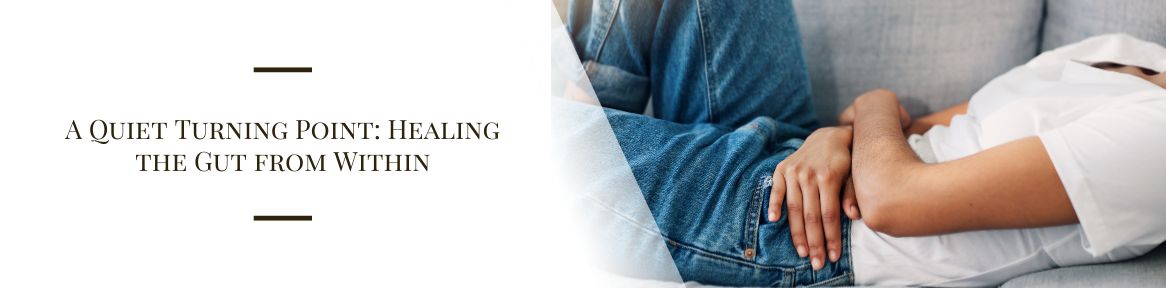
According to the IFFGD, the International Foundation for Gastrointestinal Disorders, approximately 5-10% of the world’s population has IBS, with most of those people under the age of 50. And like millions of people with gastrointestinal disorders, most have tried everything from elimination diets, medications, and probiotics, to stress management apps. One treatment many are surprised to discover is acupuncture and just how impactful it can be for gastrointestinal health.
Understanding IBS and the Brain–Gut Connection
IBS is one of the most common gastrointestinal disorders worldwide, characterized by symptoms like abdominal pain, bloating, constipation, diarrhea, or a mix of both. Unlike structural diseases, IBS is considered a functional disorder, meaning the digestive tract looks normal but doesn’t function properly.
At the core of IBS is the brain–gut axis, a complex communication network between the digestive system and the central nervous system. Stress, anxiety, inflammation, and even past trauma can influence how the gut behaves. This is where acupuncture begins to make sense. Rather than targeting symptoms in isolation, acupuncture works systemically by helping regulate the body’s internal communication networks, including the nervous system, immune system, and digestive processes.
How Acupuncture Works for Gastrointestinal Health
Acupuncture, a cornerstone of traditional Chinese medicine, involves inserting ultra-fine needles into specific points on the body. These points are believed to influence energy flow (also known as qi), but modern research offers additional explanations grounded in physiology.
Studies suggest acupuncture may help:
- Regulate gut motility (how quickly food moves through the digestive tract).
- Reduce visceral hypersensitivity (the heightened pain response common in IBS).
- Modulate neurotransmitters like serotonin, which plays a major role in digestion.
- Calm the nervous system, reducing stress-driven flare-ups.
Research indicates acupuncture can influence the vagus nerve and central pain pathways, helping rebalance the communication between the brain and gut. Even more compelling, acupuncture appears to affect brain-gut peptides, inflammation, and neuroendocrine function, all of which are involved in IBS pathophysiology. In simple terms: it helps the gut and brain start speaking the same language again.
What the Research Says
The scientific community has taken growing interest in acupuncture for IBS, and while findings are sometimes mixed, the overall trend is promising. A 2025 meta-analysis found that acupuncture improves both symptom severity and quality of life in IBS patients, particularly when administered in consistent treatment cycles. Another large review of 31 randomized controlled trials concluded that acupuncture can significantly reduce abdominal pain, bloating, and overall symptom severity.
Clinical Trials and Measurable Outcomes
A randomized clinical trial showed acupuncture improved abdominal pain and stool consistency, with benefits lasting up to 18 weeks. Another study reported a clinically significant reduction in IBS symptom severity scores after acupuncture treatment compared to usual care alone. Some trials even found acupuncture to be more effective than certain medications in relieving IBS symptoms for up to 12 weeks.
Beyond IBS: Broader Gastrointestinal Benefits
While IBS is the most studied condition, acupuncture has shown potential benefits across a wide range of gastrointestinal issues, including:
- Functional dyspepsia (indigestion)
- Chronic constipation
- Acid reflux (GERD)
- Inflammatory bowel conditions (as supportive care)
- Post-surgical digestive recovery
Its ability to reduce inflammation, regulate motility, and calm the nervous system makes it a versatile tool in integrative digestive care.
The Emotional Side of Gut Health
Acupuncture has been shown to improve psychological states and stress responses, both of which are closely tied to gut health. For many patients, this dual benefit (physical and emotional) is what makes acupuncture uniquely powerful.
What a Typical Treatment Looks Like
For those new to acupuncture, the experience is often surprisingly gentle.
- Sessions typically last 20–40 minutes.
- Needles are extremely thin and usually painless.
- Patients often report a feeling of warmth, heaviness, or deep relaxation.
- A course of treatment may involve weekly sessions over several weeks.
Some protocols suggest that consistent sessions over a 4-week period can significantly improve symptoms. And unlike many medications, acupuncture has minimal side effects, making it a low-risk option to explore.
Integrating Acupuncture into IBS Care
Acupuncture works best as part of a holistic treatment plan, not a standalone cure.
For optimal results, it’s often combined with:
- Dietary strategies (like low-FODMAP approaches)
- Stress management techniques
- Gut-directed therapies (probiotics, fiber, etc.)
- Lifestyle changes (sleep, movement, hydration)
Think of acupuncture as the regulator, helping the body respond better to everything else you’re doing.
Acupuncture offers a compelling, integrative approach to treating IBS and gastrointestinal disorders, one that aligns with the complex, interconnected nature of the gut. While more high-quality research is still needed, current evidence suggests it can reduce abdominal pain and bloating, improve bowel habits, enhance quality of life, support emotional well-being, and complement conventional treatments.
For patients who feel stuck, frustrated, or dismissed by traditional approaches, acupuncture may provide a new path forward, one that treats not just the gut, but the whole person. So, if your gut has been trying to tell you something for years… What might change if you finally listened and approached healing from a completely different direction?


 Western Medicine's Symbol, the Caduceus represents duality...the unification of polar opposites.
